
Guangzhou A.C.T Products Co.,Ltd To Make The Global Delivery More Efficient
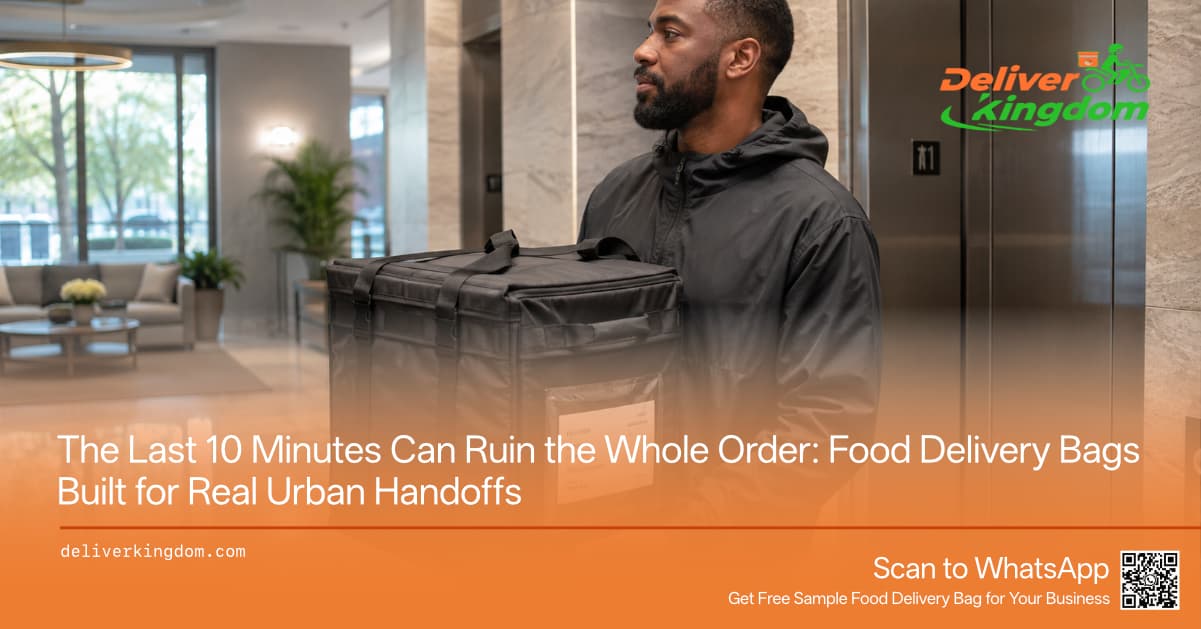
Mengapa Sepuluh Menit Terakhir Pengiriman Sering Menjadi yang Paling Sulit
Restoran biasanya mengukur waktu pengiriman dari pengambilan hingga kedatangan, tetapi pengendara tahu ada tahap lain setelah mencapai tujuan. Seorang kurir dapat tiba di luar gedung apartemen dalam 25 menit dan masih menghabiskan 8 atau 10 menit lagi untuk menunggu akses keamanan, menemukan menara yang tepat, memasuki lift, menelepon pelanggan, dan berjalan ke pintu akhir. Di kompleks perkantoran yang besar, pengendara mungkin mencapai properti dengan cepat tetapi masih perlu mendaftar di resepsionis dan menunggu pelanggan turun. Selama periode ini, makanan masih berada di dalam tas pengiriman makanan dan terus kehilangan suhu. Tas pengiriman makanan berinsulasi untuk pengiriman apartemen memberikan perlindungan lebih bagi operasi terhadap penundaan serah terima yang tidak terduga ini. DeliverKingdom telah berfokus pada manufaktur tas pengiriman makanan dan peralatan pengendara sejak 2013, membantu jaringan restoran, perusahaan logistik makanan, operator pengiriman, dan perusahaan dagang mengembangkan tas berdasarkan rute komersial nyata daripada kondisi laboratorium yang sempurna. Dengan lebih dari 12.000 meter persegi ruang produksi di Yangchun, Guangdong dan lebih dari 400 karyawan, DeliverKingdom mendukung produksi yang disesuaikan dan dapat diulang untuk bisnis yang menangani penundaan kecil ini ribuan kali setiap hari.
Bagaimana Lobi Kantor, Meja Keamanan, dan Lift Mengubah Suhu Makanan
Bagian terakhir dari rute pengiriman perkotaan sering kali lebih lambat daripada perjalanan itu sendiri. Di kawasan bisnis, pengendara mungkin parkir jauh dari pintu masuk, membawa tas melintasi plaza, mendaftar ke keamanan, menunggu lift, dan berjalan melalui beberapa koridor sebelum mencapai pelanggan. Makanan panas yang selamat dari lalu lintas masih bisa tiba dalam keadaan suam-suam kuku jika tas memiliki isolasi yang lemah atau berulang kali dibuka saat pengendara mencari pesanan yang tepat. Inilah sebabnya mengapa tas pengiriman makanan harus dipilih berdasarkan total waktu penyimpanan, bukan hanya jarak jalan. DeliverKingdom dapat mengembangkan tas pengiriman makanan berinsulasi untuk pengiriman apartemen menggunakan struktur berlapis seperti kain Oxford, poliester berlapis PVC, kain berlapis TPU, busa EPE, lapisan aluminium foil, lapisan PEVA, dan panel pendukung struktural sesuai dengan aplikasi yang diperlukan. Tujuannya bukan untuk berpura-pura bahwa tas dapat menghentikan perubahan suhu selamanya. Itu tidak mungkin. Nilai sebenarnya adalah menciptakan lebih banyak penyangga termal, memberikan pengendara perlindungan tambahan ketika lift, meja keamanan, kode akses, dan pelanggan memutuskan bahwa pengiriman yang seharusnya sederhana harus menjadi ekspedisi perkotaan kecil.
Membangun Lebih Banyak Penyangga Termal ke dalam Operasi Pengiriman Sehari-hari
Performa termal menjadi lebih penting ketika sistem pengiriman mengandung waktu tunggu yang tidak terduga. Satu rute mungkin memakan waktu 20 menit hari ini dan 35 menit besok meskipun jaraknya sama. Cuaca, lalu lintas, akses gedung, waktu tunggu restoran, dan respons pelanggan semuanya memengaruhi hasil akhir. Tas pengiriman makanan kustom untuk jaringan restoran dapat dikembangkan berdasarkan rute realistis terburuk daripada rute rata-rata yang sempurna. DeliverKingdom dapat menyesuaikan ketebalan isolasi, lapisan dalam, metode penutupan, struktur pendukung, dan desain bukaan sesuai dengan menu dan lingkungan pengiriman pembeli. Jaringan pizza mungkin memerlukan tas horizontal lebar dengan dukungan yang lebih kuat. Merek ayam goreng mungkin memerlukan struktur yang melindungi suhu dan bentuk kotak. Operator kotak makan mungkin memerlukan ruang internal yang lebih tinggi dengan rak yang dapat dilepas. Untuk minuman dingin atau makanan penutup, kompartemen terpisah dapat membantu mengurangi pertukaran panas yang tidak diinginkan. Pendekatan ini memberikan grup restoran lebih banyak kendali atas konsistensi pengiriman. Alih-alih meminta pengendara untuk mengompensasi setiap penundaan melalui mengemudi lebih cepat, yang tidak realistis dan sangat tidak bijaksana, peralatan itu sendiri memberikan sedikit margin operasi tambahan.
Menjaga Beberapa Pesanan Tetap Teratur Selama Pengiriman Antar Gedung
Pengendara perkotaan sering membawa beberapa pesanan dalam satu rute, terutama selama puncak makan siang dan makan malam. Bagian yang sulit bukan hanya menjaga makanan tetap hangat. Ini adalah mencapai pesanan yang tepat dengan cepat tanpa membuka seluruh tas dan mengatur ulang semuanya di lobi apartemen. DeliverKingdom dapat menyesuaikan pembagi yang dapat dilepas, rak internal, kantong pesanan transparan, jendela tanda terima, pemegang kartu rute, dan kompartemen terpisah di dalam tas pengiriman makanan. Pemasok tas pengiriman makanan massal untuk armada perkotaan harus mempertimbangkan detail ini karena setiap pencarian yang tidak perlu menambah waktu dan melepaskan lebih banyak udara hangat atau dingin dari tas. Seorang pengendara yang mengirim ke tiga gedung kantor mungkin perlu mengidentifikasi setiap pesanan sebelum memasuki properti. Label eksternal dapat membantu mengurangi kebingungan, sementara pembagi internal menjaga kotak makanan agar tidak saling bergeser saat mengerem dan membawa. Fitur-fitur ini tidak terlalu dramatis, itulah sebabnya fitur-fitur tersebut berguna. Operasi pengiriman meningkat melalui detail kecil yang membosankan yang diulang ribuan kali, bukan melalui satu pengendara heroik yang berlari melalui lobi sambil memegang empat wadah sup dan mempertanyakan setiap keputusan karier yang mengarah pada momen ini.
Merancang Tas untuk Pengendara yang Perlu Berhenti, Membawa, Menunggu, dan Bergerak Lagi
Tas pengiriman makanan sering difoto duduk rapi di rak sepeda motor, tetapi pengendara melakukan lebih dari sekadar berkendara. Mereka melepas tas, membawanya melalui gedung, meletakkannya sementara di lantai, mengangkatnya lagi, membukanya saat serah terima pelanggan, dan kembali ke kendaraan. Tas yang berfungsi sempurna saat dipasang mungkin menjadi canggung saat dibawa melalui pintu atau lift yang sempit. DeliverKingdom dapat menyesuaikan tali bahu, pegangan yang diperkuat, panel belakang yang bernapas, papan pendukung yang ringan, arah bukaan, penempatan ritsleting, penutup Velcro, dan struktur yang dapat dilipat sehingga tas pengiriman makanan sesuai dengan alur kerja pengendara yang lengkap. Tas pengiriman makanan berinsulasi untuk pengiriman apartemen mungkin mendapat manfaat dari opsi membawa tangan yang nyaman karena pengendara menghabiskan lebih banyak waktu jauh dari kendaraan. Tas pengiriman makanan kustom untuk jaringan restoran juga dapat mencakup elemen reflektif untuk rute malam hari dan bagian bawah yang diperkuat untuk penempatan berulang pada permukaan yang keras. Desain produk yang baik harus mengikuti apa yang sebenarnya dilakukan pengendara, bukan apa yang terlihat paling bersih di katalog. Pengendara sudah membawa makan malam melalui tiga pintu keamanan. Tas tidak perlu menambah teka-teki lain.
Tas Pengiriman Makanan Kustom untuk Kota Bertingkat Tinggi dan Rute Perkotaan yang Padat
Kota dengan menara apartemen yang padat, kompleks perkantoran, pusat perbelanjaan, dan bangunan serbaguna menciptakan tantangan pengiriman yang sangat spesifik. Pengendara mungkin menyelesaikan beberapa pesanan jarak pendek tetapi menghabiskan banyak waktu di dalam properti. Di lingkungan ini, kapasitas tas, kenyamanan membawa, identifikasi pesanan, dan stabilitas termal bisa lebih penting daripada kecepatan maksimum di jalan. DeliverKingdom mendukung pengembangan OEM dan ODM untuk tas pengiriman makanan khusus bagi jaringan restoran yang beroperasi di pasar perkotaan berdensitas tinggi. Pembeli dapat menyesuaikan ukuran, bahan, warna, ketebalan isolasi, pembatas internal, posisi logo, kantong pesanan transparan, strip reflektif, kantong samping, arah ritsleting, dan struktur pendukung yang dapat dilipat. Referensi warna Pantone dapat digunakan untuk tampilan merek yang konsisten, sementara pilihan logo dapat mencakup sablon sutra, pencetakan transfer panas, bordir, label tenun, pencetakan reflektif, dan tambalan PVC. Model yang berbeda juga dapat dikembangkan untuk berbagai makanan kategori atau kendaraan pengendara sambil tetap menjaga identitas visual yang sama. Hal ini memungkinkan grup restoran untuk menstandarisasi peralatan pengiriman di seluruh gerai tanpa harus memaksakan setiap menu dan setiap kota ke dalam satu tas yang identik, yang akan sangat sederhana namun hampir pasti salah.
Mengapa Struktur Tahan Air dan Mudah Dibersihkan Tetap Penting pada Serah Terima Akhir
Serah terima akhir membuat tas terpapar pada lebih dari sekadar masalah suhu. Pengendara mungkin meletakkan peralatan di trotoar basah di luar menara hunian, di meja keamanan yang berdebu, atau di dekat pintu masuk restoran yang ramai saat mengatur pesanan berikutnya. Minuman mungkin bocor saat dibawa, dan kondensasi dapat menumpuk di sekitar barang dingin. DeliverKingdom dapat memproduksi struktur tas pengiriman makanan menggunakan kain luar yang tahan air atau kedap air, lapisan PEVA atau aluminium foil yang mudah dibersihkan, bagian bawah berlapis, jahitan yang diperkuat, dan komponen internal yang dapat dilepas. Fitur-fitur ini membantu melindungi tas selama pemberhentian perkotaan yang berulang dan membuatnya lebih mudah untuk disiapkan untuk giliran kerja berikutnya. Tas pengiriman makanan khusus untuk jaringan restoran harus tetap terlihat rapi setelah berbulan-bulan penggunaan nyata karena pelanggan sering melihat tas secara langsung saat serah terima. Tas terstruktur yang bersih menunjukkan operasi pengiriman yang terkendali. Tas yang kotor dan kempis dengan logo yang terkelupas mengomunikasikan hal lain, dan sayangnya pelanggan tidak perlu gelar dalam manajemen rantai pasokan untuk menyadarinya. Oleh karena itu, pilihan pembersihan dan bahan yang lebih baik melindungi masa pakai peralatan dan presentasi merek.
Mengapa Jaringan Restoran dan Armada Pengiriman Memilih DeliverKingdom
DeliverKingdom telah bekerja di bidang manufaktur peralatan pengiriman sejak 2013, memberikan pengalaman lebih dari satu dekade di seluruh tas pengiriman makanan, ransel termal, tas jinjing berinsulasi, helm pengendara, jaket, dan peralatan pelindung. Perusahaan mengoperasikan pabrik seluas lebih dari 12.000 meter persegi di Yangchun, Guangdong, dengan lebih dari 400 karyawan serta sertifikasi BSCI dan ISO9001. Bagi pembeli komersial, alasan utama untuk memilih DeliverKingdom bukan sekadar kemampuan untuk membuat tas. Perusahaan mendukung pengembangan OEM dan ODM, bahan khusus, ukuran, warna, logo, struktur isolasi, tata letak internal, produksi massal, dan pesanan berulang. Hal ini penting bagi bisnis yang mencari pemasok tas pengiriman makanan massal untuk armada perkotaan karena operasi kota berubah seiring pertumbuhan jaringan. Jaringan restoran mungkin mulai dengan ransel standar, kemudian membutuhkan versi katering yang lebih besar, model tahan air untuk pasar yang sering hujan, atau tas bersekat untuk pengiriman makanan dan minuman campuran. DeliverKingdom dapat mengembangkan produk-produk terkait ini dalam hubungan pasokan yang sama, membantu pembeli mempertahankan branding dan spesifikasi yang konsisten alih-alih membangun kembali proses pengadaan setiap kali operasi berubah.
Produksi Massal untuk Jaringan Pengiriman Perkotaan yang Berkembang
Ujian nyata dari pemasok tas pengiriman makanan dimulai setelah persetujuan sampel. Jaringan restoran dan operator pengiriman mungkin membutuhkan ratusan atau ribuan unit di beberapa kota, diikuti dengan pesanan penggantian beberapa bulan kemudian. Tas harus terus sesuai dengan ukuran, warna, bahan, posisi logo, struktur isolasi, dan tata letak internal yang disetujui. Pabrik DeliverKingdom seluas 12.000+ meter persegi dan tenaga kerja lebih dari 400 orang mendukung produksi komersial, inspeksi, pengemasan, dan pasokan berulang. Pemasok tas pengiriman makanan massal untuk armada perkotaan perlu mengelola konsistensi karena variasi kecil menjadi masalah besar jika dikalikan di ribuan pengendara. DeliverKingdom dapat bekerja dari spesifikasi dan sampel yang disetujui, mendukung konfirmasi bahan, tinjauan produksi, pemeriksaan logo, inspeksi struktural, dan persyaratan pengemasan. Pembeli juga dapat menyesuaikan kemasan untuk distribusi regional atau penyimpanan gudang. Hal ini sangat berguna bagi grup restoran yang membuka lokasi baru, bisnis pengiriman yang merekrut pengendara baru, dan perusahaan logistik yang mengganti tas lama. Tidak ada yang merayakan konsistensi spesifikasi di pesta perusahaan, tetapi bagian pengadaan akan menyadari dengan sangat cepat ketika hal itu menghilang.
Mengubah Gesekan Pengiriman Nyata menjadi Spesifikasi Tas Pengiriman Makanan yang Lebih Baik
Spesifikasi tas pengiriman makanan terbaik dimulai dari gesekan pengiriman yang sebenarnya. Pembeli harus meninjau di mana pengendara kehilangan waktu, berapa lama makanan benar-benar berada di dalam tas, berapa banyak pesanan yang dibawa bersamaan, apakah pengendara memasuki menara apartemen atau kompleks perkantoran, kendaraan apa yang mereka gunakan, bagaimana tas dibersihkan, dan di mana tas saat ini paling cepat rusak. DeliverKingdom dapat menggunakan informasi ini untuk mengembangkan tas pengiriman makanan berinsulasi untuk pengiriman apartemen, tas pengiriman makanan khusus untuk jaringan restoran, atau solusi bagi pembeli yang mencari pemasok tas pengiriman makanan massal untuk armada perkotaan. Sampel dapat diuji dengan kotak makanan asli, rute sebenarnya, lift, rak sepeda motor, dan alur kerja pengendara sebelum produksi yang lebih besar dimulai. Pembeli kemudian dapat menyesuaikan dimensi, isolasi, tali, pegangan, kantong label, pembatas internal, bahan tahan air, warna, dan penempatan logo sebelum persetujuan. DeliverKingdom mendukung kustomisasi kain, kustomisasi ukuran, pencocokan warna, pencetakan LOGO, OEM dan pengembangan ODM, dan pesanan komersial besar. Bagi jaringan restoran, perusahaan logistik makanan, operator pengiriman, dan perusahaan dagang, pendekatan ini mengubah gangguan pengiriman sehari-hari menjadi informasi desain yang berguna dan menciptakan peralatan yang sesuai dengan perjalanan nyata dari meja dapur hingga pintu pelanggan.
T: Mengapa tas pengiriman makanan berinsulasi penting untuk pengiriman apartemen dan kantor?
J: Pengiriman apartemen dan kantor sering kali mencakup waktu tunggu tambahan di meja keamanan, lift, area resepsionis, dan titik serah terima pelanggan. Tas pengiriman makanan berinsulasi untuk pengiriman apartemen membantu memperlambat perubahan suhu selama penundaan ini dan memberikan perlindungan lebih pada operasi di luar bagian jalan dari rute tersebut.
T: Bisakah DeliverKingdom menyesuaikan tas pengiriman makanan untuk pengiriman perkotaan bertingkat tinggi?
J: Ya. DeliverKingdom dapat menyesuaikan dimensi, ketebalan isolasi, kain, pegangan pembawa, tali bahu, pembatas internal, kantong pesanan transparan, strip reflektif, bahan tahan air, warna, logo, dan struktur pembukaan sesuai dengan lingkungan pengiriman pembeli.
T: Mengapa memilih DeliverKingdom untuk tas pengiriman makanan khusus?
J: DeliverKingdom telah berfokus pada manufaktur peralatan pengiriman sejak 2013 dan mengoperasikan pabrik seluas lebih dari 12.000 meter persegi dengan lebih dari 400 karyawan. Perusahaan mendukung pengembangan OEM dan ODM, bahan khusus, ukuran, warna, logo, produksi massal, peralatan pengendara yang serasi, dan pesanan berulang. DeliverKingdom juga memegang sertifikasi BSCI dan ISO9001.
T: Bisakah DeliverKingdom mendukung pesanan besar untuk armada restoran dan pengiriman?
J: Ya. DeliverKingdom mendukung produksi tas pengiriman makanan dalam jumlah besar untuk jaringan restoran, perusahaan logistik makanan, operator pengiriman, bisnis katering, dan perusahaan dagang. Spesifikasi yang disetujui juga dapat digunakan untuk pesanan penggantian di masa mendatang dan perluasan armada.
T: Informasi apa yang harus diberikan pembeli sebelum meminta penawaran harga?
J: Pembeli harus memberikan ukuran tas yang diinginkan, jumlah pesanan, dimensi kotak makanan, waktu pengiriman rata-rata, lingkungan serah terima yang umum, jenis kendaraan pengemudi, bahan yang disukai, warna merek, karya seni logo, dan persyaratan khusus apa pun seperti kain tahan air, sekat internal, kantong pesanan transparan, strip reflektif, panel yang dapat dilipat, atau penyangga yang diperkuat.

 Dapatkan Penawaran Online